


Soft Enamel vs Hard Enamel Pins — How to Choose in 2026
The difference between soft enamel and hard enamel pins comes down to one manufacturing step: polishing. Soft enamel leaves the colour recessed below raised metal lines you can feel with a fingertip. Hard enamel is overfilled, then ground and polished flush so colour and metal sit perfectly level. That single step explains the price gap, the durability gap, and which one you should specify.
How Each Is Made
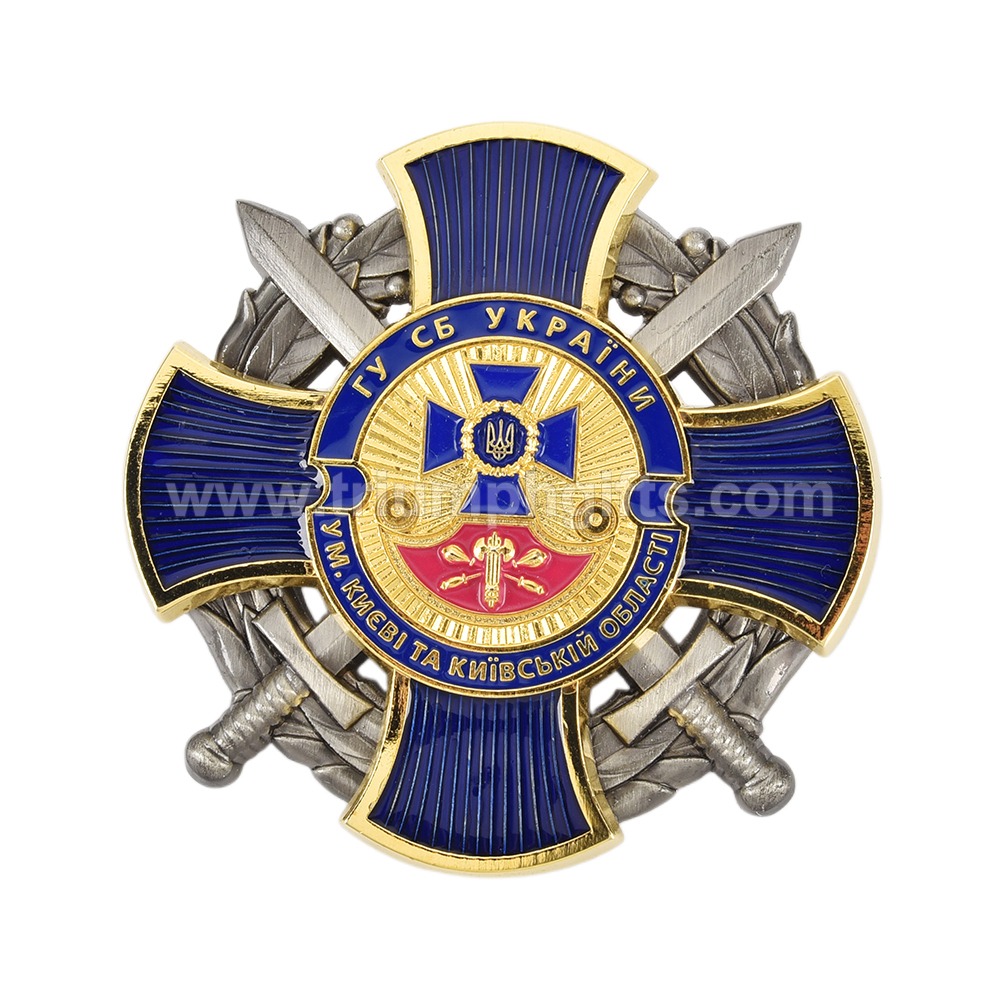
Soft enamel: the die-struck or die-cast base is plated, then enamel paste is syringed into recessed areas and baked. The colour cures slightly below the metal ridges. Fast, low cost, and slightly textured.
Hard enamel (cloisonné): the recesses are overfilled, the pin is fired, then it is ground flat and polished. The process is repeated until the surface is smooth. Slower, more expensive, and far more durable.
Side-by-Side Comparison
- Surface feel: soft enamel textured with raised metal / hard enamel smooth and glass-like
- Colour accuracy: hard enamel holds truer Pantone because the surface is polished rather than cured unevenly
- Durability: hard enamel resists scratches and tarnish for years; soft enamel can chip in recessed areas under hard wear
- Detail: soft enamel preserves finer metal lines because it is not ground down
- Cost: hard enamel adds USD 0.25–0.45 per pin
- Lead time: hard enamel adds 3–5 days for the firing and polishing cycle
When to Choose Soft Enamel
Choose soft enamel for large promotional runs, event giveaways, designs with very fine metal lines, and any project where budget per unit is the deciding factor. At 1,000 pieces the saving versus hard enamel is USD 250–450 — meaningful for a giveaway that needs to be cheap.
When Hard Enamel Is Worth It
Choose hard enamel for retail products, commemorative and anniversary pins, anything worn daily on a uniform, and designs where flat colour accuracy matters to the brand. Museums, airlines and police units generally specify hard enamel because the pin outlives the uniform.
A Third Option: Die Struck Without Colour
If your design works in metal alone, a die-struck pin with no enamel at all is the most durable and often the most elegant option, at roughly soft enamel pricing. Popular for corporate anniversary pins and military insignia.
Frequently Asked Questions
Can you tell the difference in a photo?
Yes. Soft enamel shows shadow along the metal ridge; hard enamel reflects light evenly across the whole surface.
Is hard enamel always better?
Not for fine detail. Grinding removes some metal line sharpness, so intricate linework reads better in soft enamel.
How much does the upgrade cost?
USD 0.25–0.45 per pin depending on size and colour count. See our enamel pin pricing guide.
Which lasts longer outdoors?
Hard enamel. The polished surface seals the colour against moisture and UV.
Still deciding? Order one sample of each — we will ship both finishes for side-by-side comparison, or start with our no minimum pin programme.