



Die Struck vs Die Cast Medals | Process Comparison
Die struck vs die cast medals — the two processes sound interchangeable but produce completely different products. Die casting injects molten zinc alloy into a mold, creating 3D relief shapes. Die striking hammers a flat metal sheet between two dies, creating crisp 2D stamped detail. Choosing the wrong one means paying for depth you do not need, or losing the detail your design depends on.
How Each Process Actually Works
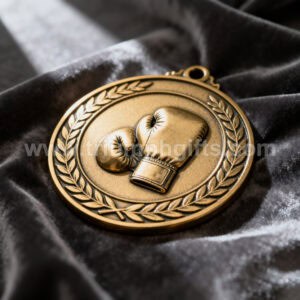
Die casting: a steel mold (the “die”) is machined with your design reversed. Molten zinc alloy is injected at ~400°C, cooled in seconds, then tumbled, plated and polished. The result supports genuine 3D sculpting — raised eagles, laurel wreaths, layered logos. This is how 95% of sports medals are made.
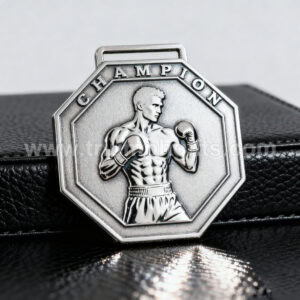
Die striking: a blank disc of brass, copper or iron is pressed between two hardened steel dies with hundreds of tons of force. Metal flows into recessed details but stays essentially flat. It produces the sharp, jewelry-like look of military service medals and premium award coins, with clean beveled edges and no casting porosity.
Side-by-Side Comparison
- Detail depth: die cast wins for 3D sculpture; die struck wins for crisp 2D lines and fine text
- Unit cost at 500 pcs: die cast zinc ≈ $0.50–$0.90; die struck brass ≈ $0.90–$1.60
- Tooling: die cast $60–$150; die struck $80–$200 (hardened steel dies)
- Material feel: cast zinc is lighter; struck brass has solid heft and premium sound
- Plating adhesion: both plate well; struck pieces polish to a brighter mirror finish
- Best for: sports/event medals → die cast; military-style, corporate recognition → die struck
Which Should Your Order Use?
If your artwork has sculpted layers — mascots, buildings, figures — die cast is the only option that renders it. If your design is a logo, crest or ring of text and you want a premium flat profile with beveled edges, die struck looks more expensive than it costs. Hybrid production exists too: die cast the base for 3D background texture, then die strike a small brass appliqué for the centerpiece. For pricing by quantity, see the custom medals bulk pricing guide.
Common Mistakes to Avoid
Buyers often request “3D” when their design is really layered 2D — factories quote 3D tooling and the medal looks no better. Always send vector artwork (AI or EPS) and ask the factory to advise which process suits the file before quoting. Our team flags this automatically during free artwork review, the same process used for challenge coin pricing where the same die choice applies.
Frequently Asked Questions
Can one medal combine both processes?
Yes, a die cast zinc base with a struck brass centerpiece is common on premium awards.
Does die cast zinc feel cheap?
Not after plating and polishing — weight difference vs brass is only noticeable side by side.
Which process is faster?
Die cast, by 2–3 days, because casting molds machine faster than hardened striking dies.
Minimum order for each?
Die cast from 100 pcs; die struck from 200 pcs due to die setup cost.
Get a firm quote in 24 hours. Send your artwork or idea and our engineering team will reply with pricing, MOQ and lead time. Request a quote.