
Sublimation vs Screen Printed Lanyards | Compared
Sublimation vs screen printed lanyards is a printing decision that determines how your logo looks, how many colors you can use, and whether the design survives 500 events of daily wear. Dye sublimation infuses ink into the polyester fiber itself. Screen printing pushes ink onto the surface. Both are industry standards — but they fail in different ways, and the wrong choice shows up fast.
How Each Print Method Works
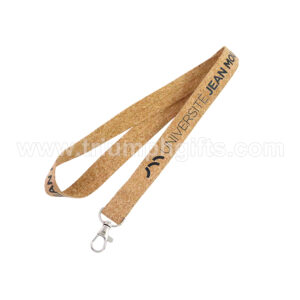
Dye sublimation: your design is printed on transfer paper with disperse dyes, then heat-pressed at ~200°C. The dye turns to gas and bonds inside the polyester weave. The result is part of the fabric — you cannot feel it, it cannot crack, and it covers 100% of the lanyard including edges, both sides, gradients and photographic detail.
Screen printing: ink is pushed through a mesh stencil onto the lanyard surface, one color per screen. Ink sits on top of the fabric as a slightly raised layer. Each color adds a screen charge, fine gradients are impossible, and after enough abrasion the print can crack or flake.
Practical Comparison for Buyers
- Colors: sublimation unlimited including gradients; screen print 1–4 spot colors
- Durability: sublimation cannot crack or peel; screen print can wear at attachment friction points
- Feel: sublimation zero texture; screen print slight raised hand-feel
- Cost at 500 pcs: sublimation ≈ $0.35–$0.55/lanyard; screen print ≈ $0.25–$0.40/lanyard
- Best for: sublimation — full-color logos, events, brand-heavy designs; screen print — simple 1–2 color text, budget runs
- Back side: sublimation prints both sides at ~+15% cost; screen print doubles cost per side
When Screen Printing Still Wins
Single-color lanyards with simple repeating text (“STAFF”, “VIP”) at 1,000+ pcs are cheaper screened than sublimated — sometimes 20–30% cheaper. Screen ink also sits brighter on certain satin weaves. If your logo is literally one color and stays that way, take the savings.
Every other scenario — multi-color logos, gradient brand palettes, dual-side messaging, annual reuse — favors sublimation. That is why our lanyard pricing guide defaults to sublimation for event clients.
Material Matters Too
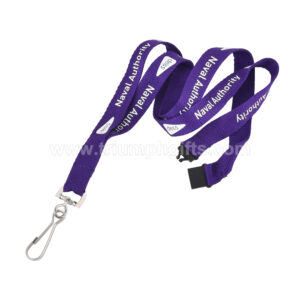
Sublimation requires polyester-based fabric (flat polyester, satin, tubular). Screen printing works on polyester and nylon. Bamboo and recycled RPET lanyards sublimate well and support sustainability claims — ask for GRS-certified options if that matters for your ESG reporting. Attachment hardware is a separate decision: see our lanyard attachment types guide.
Frequently Asked Questions
Does sublimation fade in sunlight?
Disperse dyes are highly UV stable — far more fade-resistant than screen ink on fabric.
Minimum order for each?
100 pcs for sublimated, 100 pcs for screened; price crossover happens near 800–1,000 pcs for single-color designs.
Can I combine both on one lanyard?
Yes — sublimate the base gradient, screen print a PMS-matched brand color on top for exact color control.
Which is faster to produce?
Sublimation, by 1–2 days: no per-color screens to burn.
Get a firm quote in 24 hours. Send your artwork or idea and our engineering team will reply with pricing, MOQ and lead time. Request a quote.